
Booking opera in Rome can look simple until the venue, route, language and ticket rules change the shape of the evening. A successful opera in Rome depends on details that rarely appear in a short listing, especially when dinner, sightseeing or an airport arrival comes first.
Key takeaways
- Confirm the exact building, entrance and neighborhood before paying for opera in Rome.
- Check the performance language, surtitles, format and expected running time before booking.
- Use the official transport planner on the performance day and validate tickets as required.
- Leave a substantial buffer before restaurant reservations, airport transfers and the final journey home.
- Read the event terms and ask accessibility questions before completing payment.
Why the venue matters more than a search result
Searching only for “opera in Rome” creates the first risk. Rome has several performance venues across different districts, so the word “opera” does not identify one address or a single route through the city.
Check the booking confirmation before fixing the rest of the evening. Look for the complete venue address, entrance and neighborhood, then calculate the journey from the hotel, restaurant or sightseeing stop. An estimated map time may describe a journey under normal conditions, but it cannot account for a change at a station or a delayed connection.
Plan the route twice. First, check the normal service. Next, use the official public transport journey planner and live service information to consider a disruption scenario. Service changes, strikes and other interruptions can alter the fastest connection on the day of the performance.
Airport arrivals need separate treatment. A journey from Fiumicino Airport into central Rome is not the same as a short city-center transfer. The airport rail connection has its own timetable and ticket conditions, so a performance booked immediately after the scheduled landing leaves little room for waiting, collecting luggage or finding the venue.
Build in realistic time after landing, rather than treating the scheduled arrival time as the moment your evening begins. Keep the confirmation email available, since it may contain the entrance details needed when the building has more than one access point. A careful route check can prevent a late arrival before the performance has even started.
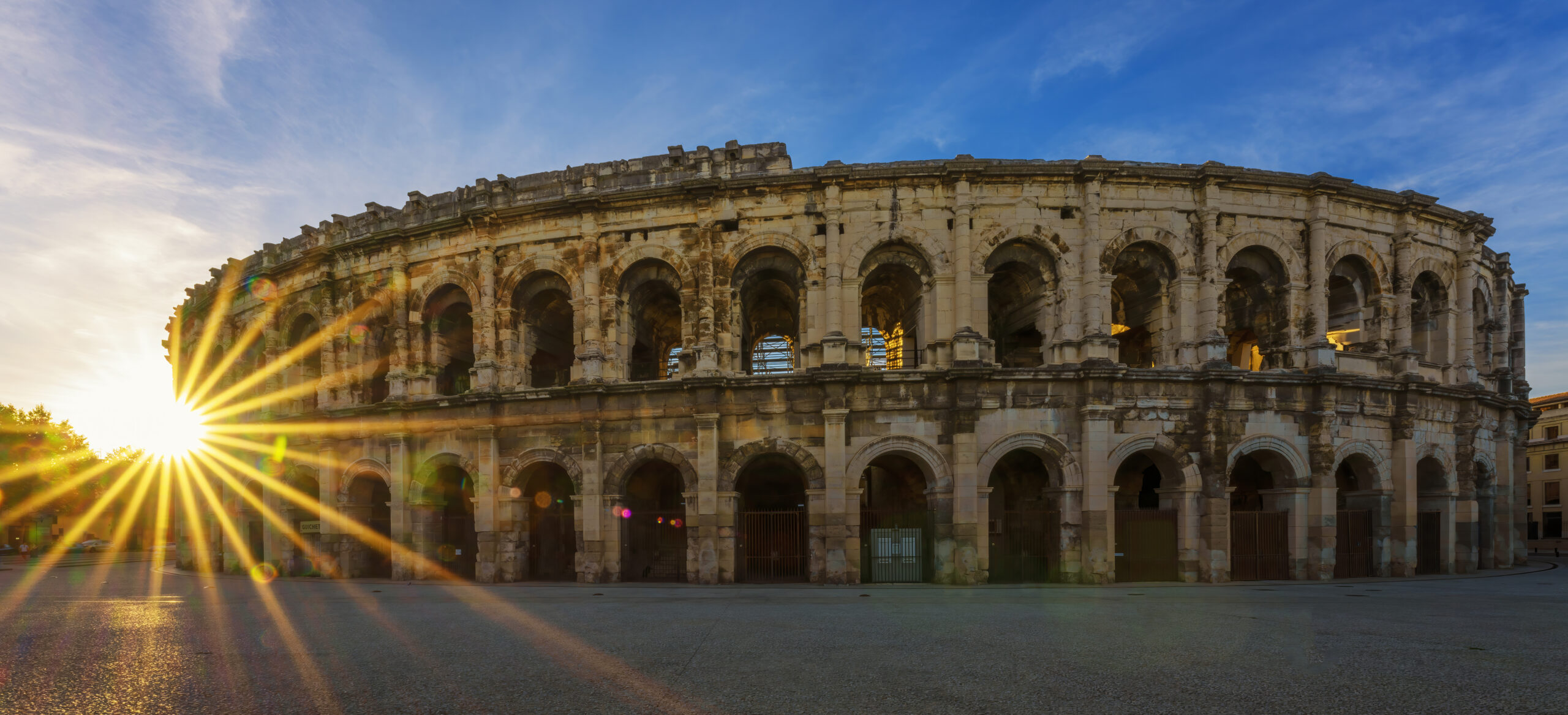
How opera in Rome listings shape the rest of your evening
The title alone does not tell you enough. An opera listing can distinguish between the original language, translated surtitles and the language used for other performance information. Check the composer, performance language and surtitles before purchase, especially when people in the group have different levels of Italian.
Format matters too. Confirm whether the event is a full staged opera, a concert performance or a shortened presentation. These formats can involve different running times, seating expectations and interval arrangements. Do not treat the advertised start time as the full timing plan.
A performance may last several hours and include an interval. Add the journey to the venue, entry checks, the interval, the final applause and the walk or ride afterward. The advertised end time is not necessarily the moment when the audience reaches the street.
Restaurant bookings often expose this mistake. Avoid making a fixed reservation immediately after the expected end of the performance. Choose a flexible booking, or leave a substantial buffer for leaving the venue and crossing Rome. A late meal is easier to manage than a reservation that expires while you are still inside the auditorium.
If the listing does not clearly explain the language, surtitles or format, contact the organizer before paying. Opera in Rome can refer to different types of events, and the missing detail may affect whether the production suits the group. Save the answer with the other booking information.
Which ticket and access details deserve attention?
Online payment does not create a universal cancellation right. Tickets for dated cultural events generally fall outside the standard 14-day online withdrawal period in European consumer law. Read the specific exchange, cancellation and refund terms before payment, because changing your plans may not qualify for a refund.
Ticket conditions can also cover the purchaser’s name, identification, transferability and the device required at entry. These rules are not automatically the same for every organizer. Retain the confirmation email, ticket terms and venue contact details, then read the instructions in full before leaving for the performance.
Transport tickets require the same attention. Rome uses different ticket types and validation rules, and an online purchase may not complete every step. Check whether the ticket covers the complete journey, particularly when the route changes between transport modes. Validate the ticket wherever the conditions require it, rather than assuming that payment alone makes it ready for inspection.
Accessibility questions belong before payment, not on the evening itself. Ask about the step-free entrance, accessible toilets, seating position, companion seating, assistance and any advance registration. Wheelchair entry may cover only one part of the route through the building.
Request support in advance when the venue requires prior notice. Keep the response with the booking confirmation, since staff may need the information at entry. If the accessibility details remain unclear, postpone payment until the organizer explains the arrangements. That short delay can protect the whole evening and prevent an avoidable barrier at the door.
Make the final check before paying
Run one last checklist before completing the booking. Confirm the exact venue, entrance, performance language, surtitles, format, expected running time, return connection, ticket conditions and accessibility contact. Missing information is a reason to pause, not a detail to resolve after payment.
Then separate fixed plans from flexible ones. Keep the restaurant booking movable when the performance end time is uncertain, and leave extra room after an airport arrival. These simple choices protect the evening against the mistakes that a short event listing cannot show.